PARDES

PARDES — THE REJECTED STONE

What If the Future Is Far Better Than We Dare to Imagine?

Three minutes inside the year 2100 — a world without scarcity or disease, a threat nobody saw coming, and a discovery at the bottom of our own ocean that changes where our species goes next.

A Future Vision XPRIZE entry

BEHIND THE TRAILER

Every image tells a part
of a much bigger story.

Explore the timeline below to understand the ideas, world and narrative behind each moment of the trailer.

THE TIMELINE

Explore the story, scene by scene.

Scene 01: An Ordinary Boy

SCENE 01

An Ordinary Boy

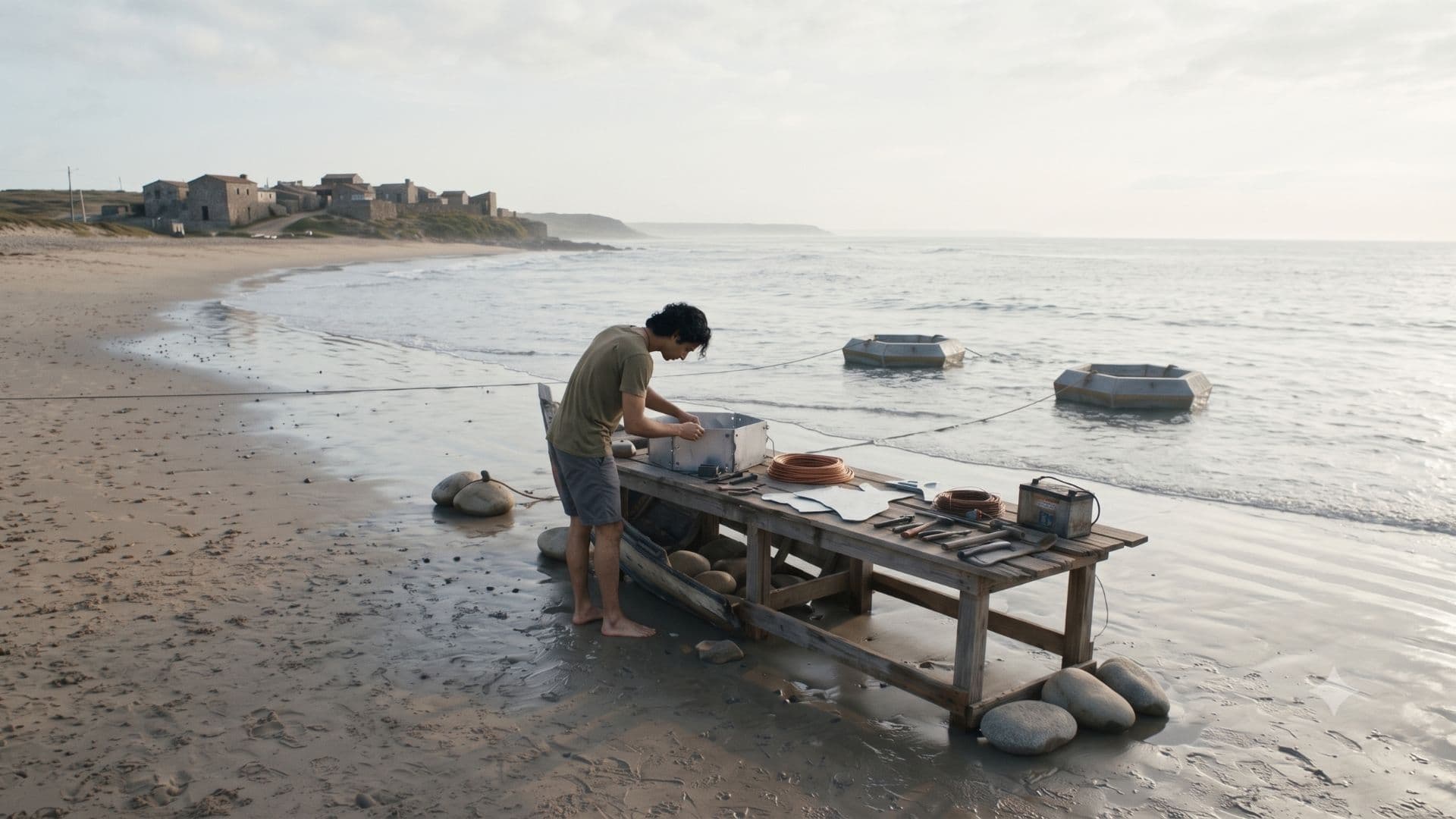
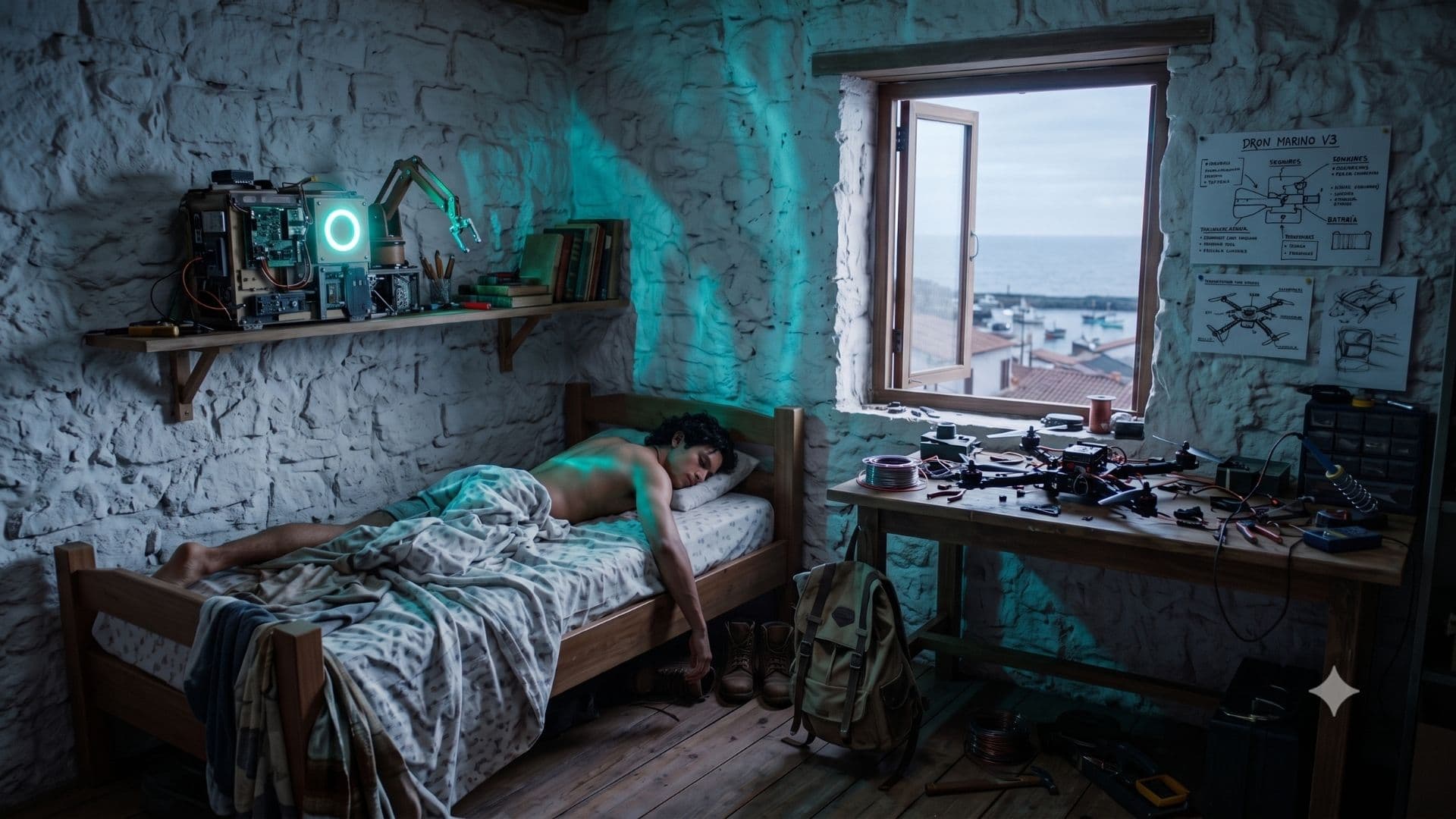
The story deliberately begins with something ordinary: Stone is 18, running late, and still thinking about going back to sleep. The boy who will one day change the fate of billions still appears completely unremarkable to the world. Because great transformations rarely look great when they begin. Sometimes, exponential consequences grow out of a single decision made by someone no one was watching.
Scene 02: Power Within Reach

SCENE 02

Power Within Reach

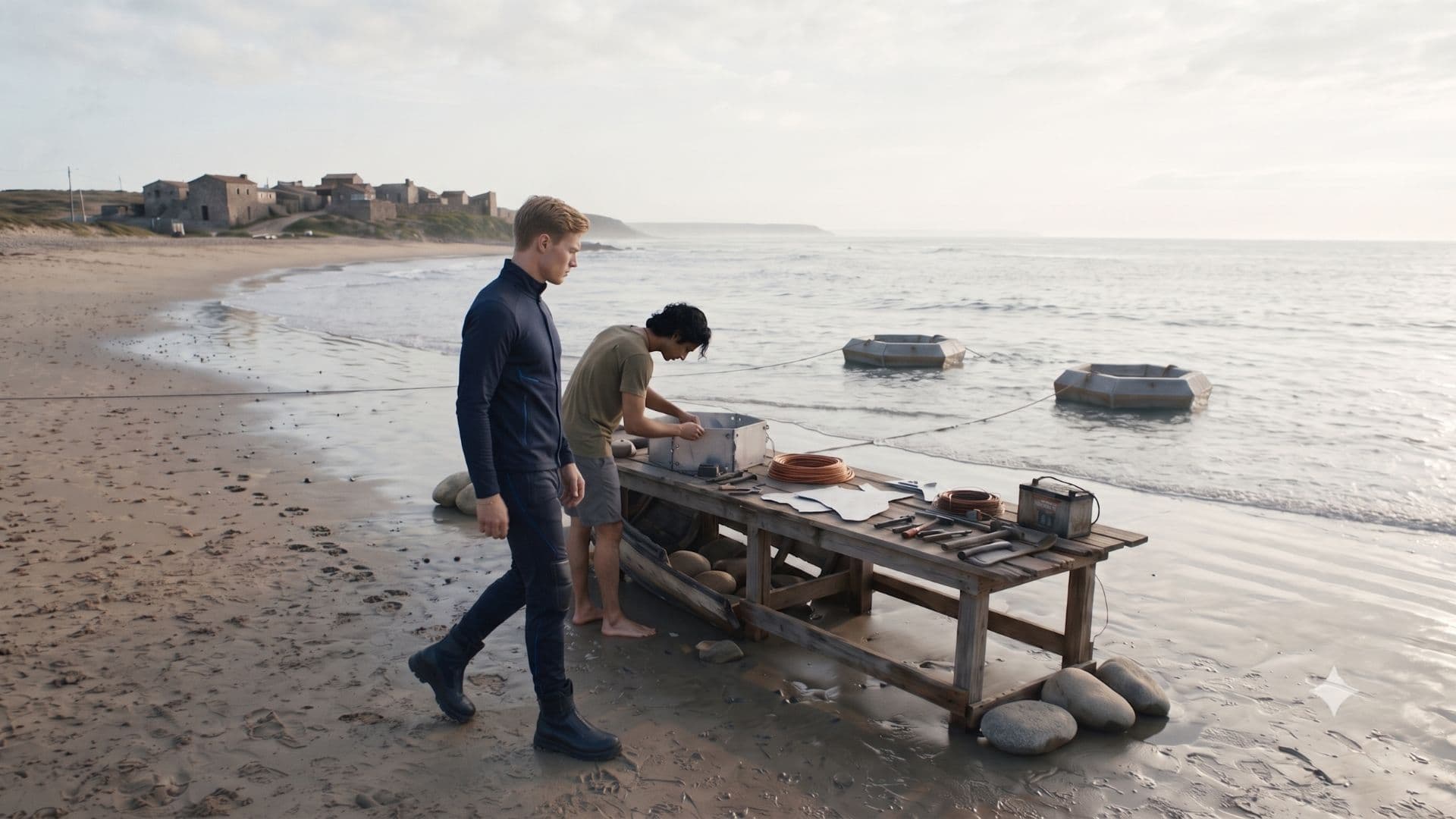
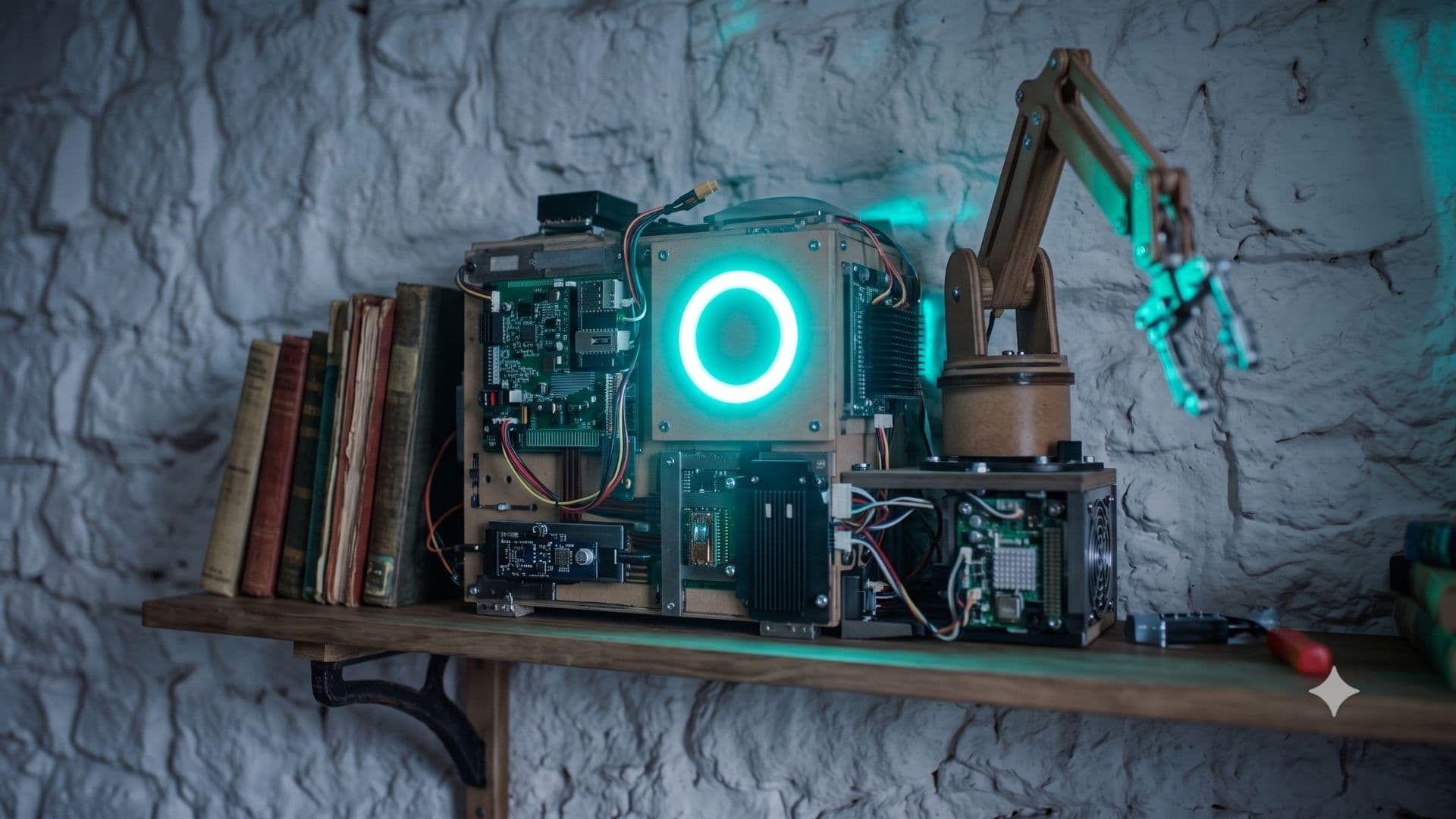
By 2100, cutting-edge technology is no longer the exclusive domain of governments and giant corporations. Even though he comes from a poor community far from any major technology hub, Stone has built an artificial general intelligence in his own bedroom — one that knows him, learns with him, and helps him create. In fact, the boy who feels invisible even within his own family has made that AI his closest friend. True technological abundance is not only about the machines that exist. It is about who now has access to the power to build them.

Scene 03: A Future We Still Recognize

SCENE 03

A Future We Still Recognize

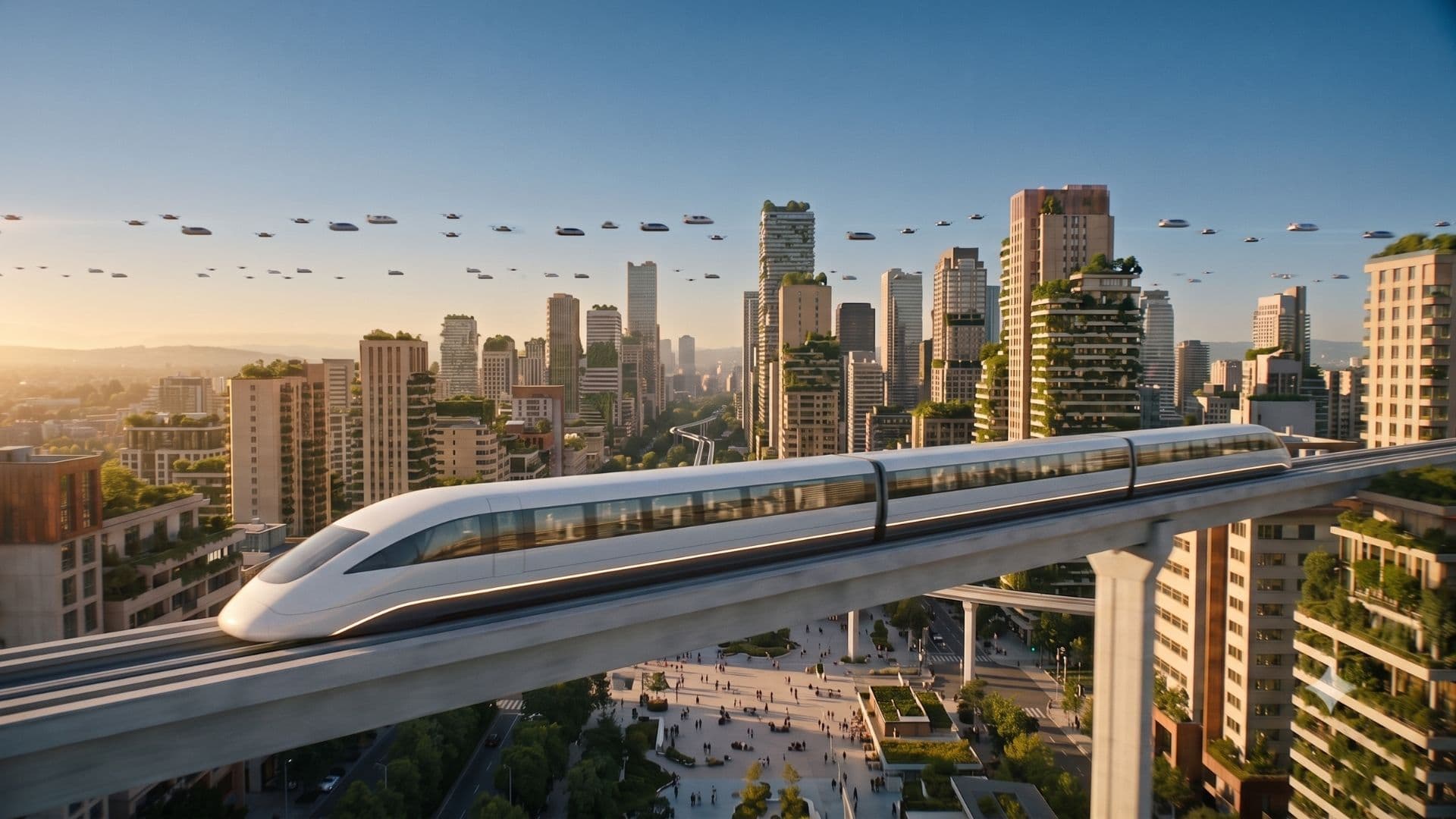
The future did not replace the old world overnight. It was built on top of it. Buildings constructed decades earlier now coexist with ultra-fast public transit, airborne vehicles, and vastly more efficient infrastructure. The intention is to portray a 2100 that is ambitious, yet still recognizable. First, the audience needs to believe in a future that is abundant and achievable — only then can they discover just how far technology might actually go.

Scene 04: When Space Became Routine

SCENE 04

When Space Became Routine

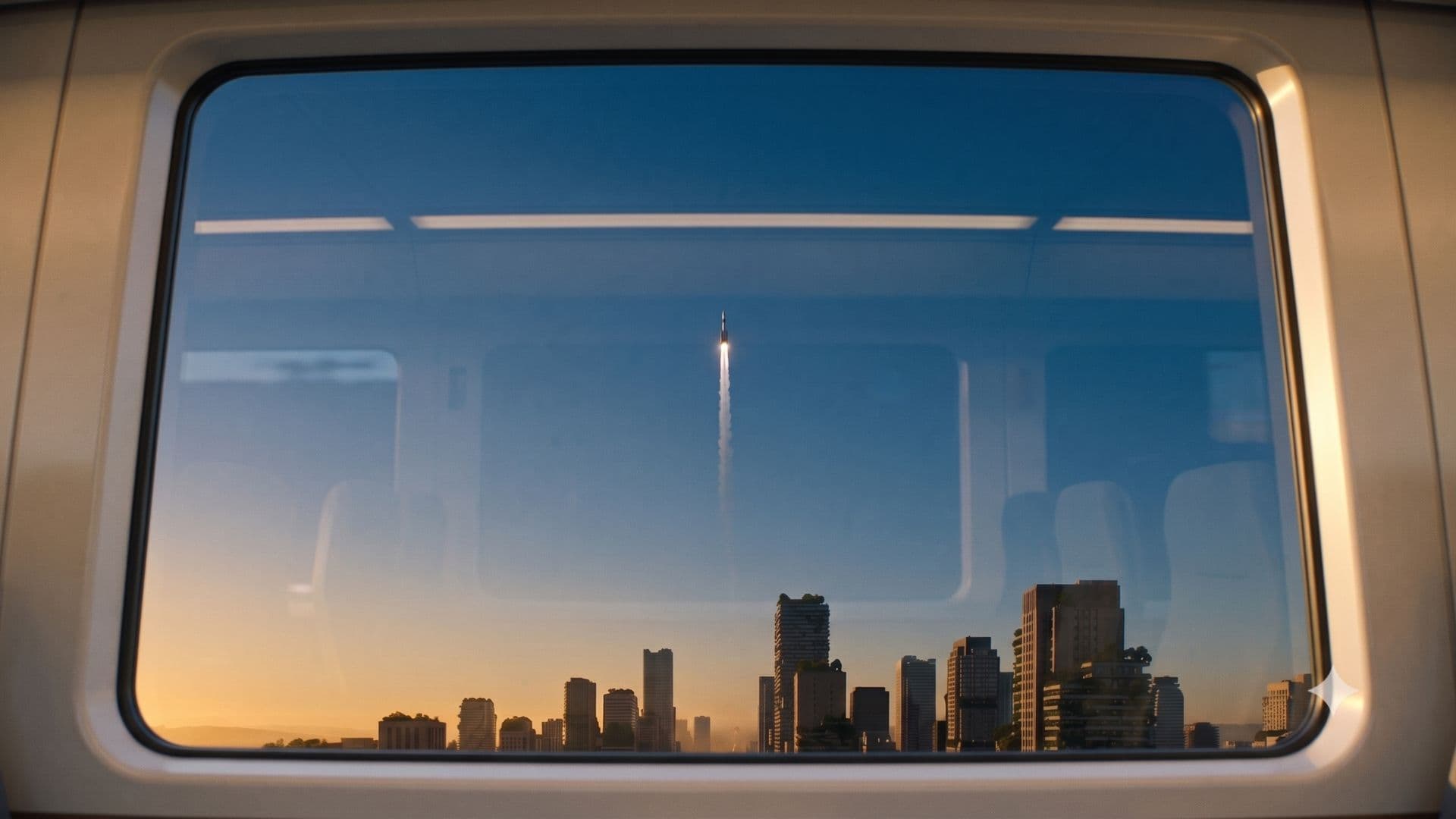
By 2100, leaving Earth is no longer an extraordinary event. Rockets depart with a frequency comparable to international flights today. Humanity spent decades looking upward for its next technological leap — without realizing that an even greater revolution had been hidden right beneath its feet.

Scene 05: Traveling Between Worlds

SCENE 05

Traveling Between Worlds

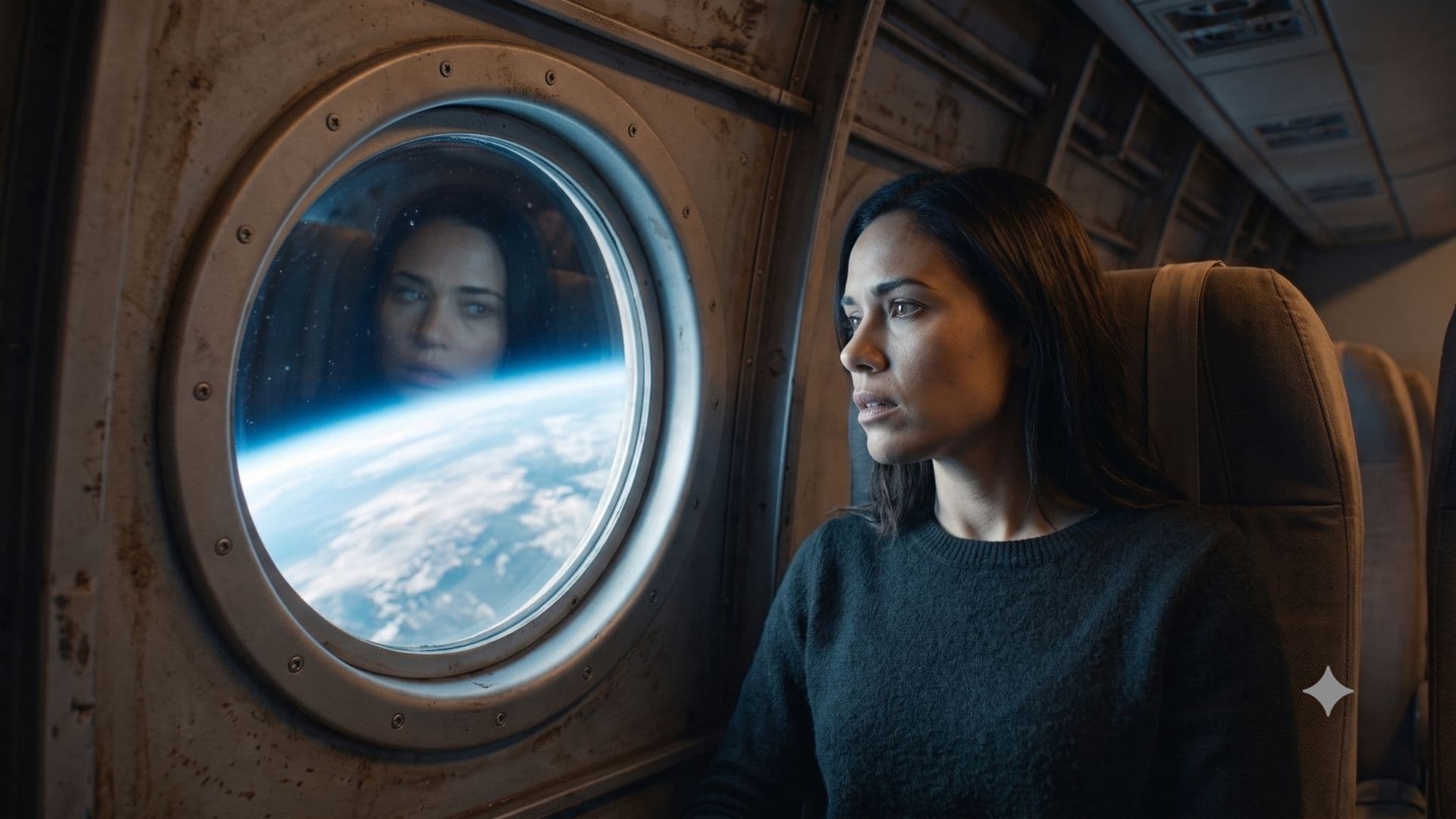
The Moon and Mars are now part of the human experience. Private space transportation services have turned journeys once reserved for astronauts into a new form of civilian mobility. For a generation born into this world, seeing Earth through the window of a spacecraft is as ordinary as crossing an ocean by plane is to us.

Scene 06: A Multiplanetary Civilization

SCENE 06

A Multiplanetary Civilization

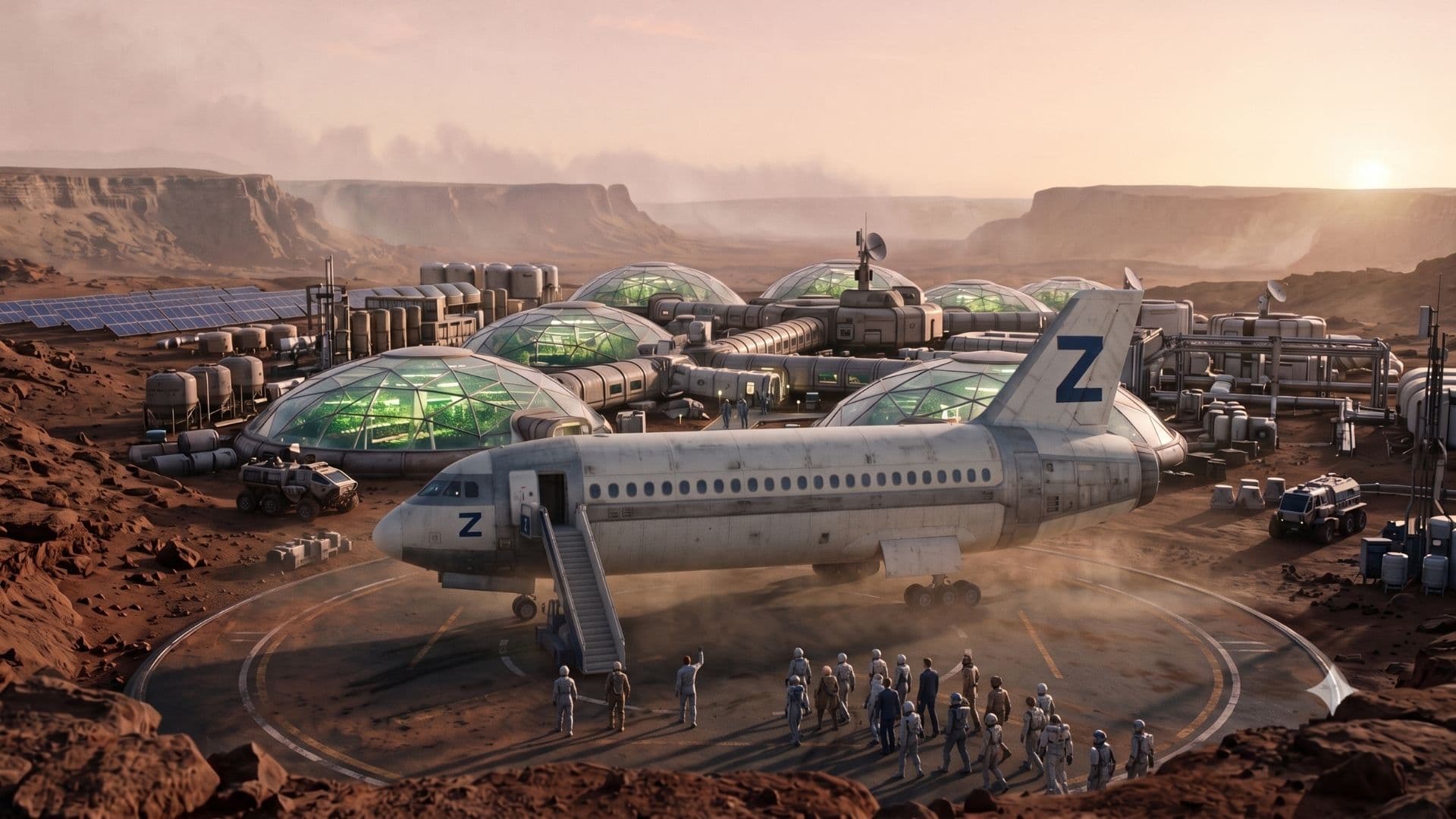
Humanity has moved permanently beyond Earth. There are bases on the Moon, Mars, and farther out, while humanoid robots extend that frontier into environments where human presence is still difficult — or simply unnecessary. Space expansion is no longer exploration. It has become something else: the permanent infrastructure of a civilization beginning to inhabit other worlds.

Scene 07: A School for Every Mind

SCENE 07

A School for Every Mind

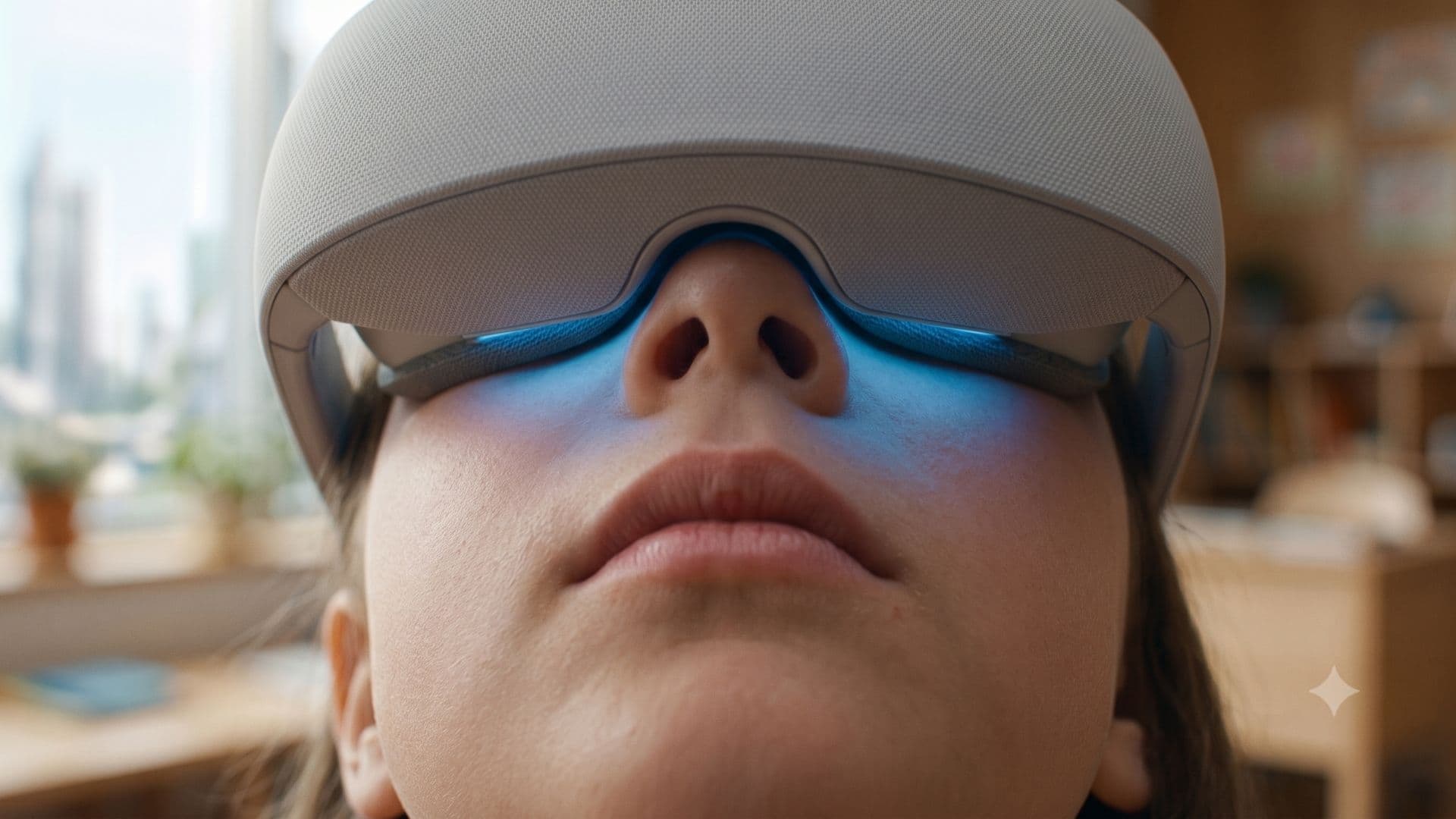
Education has also abandoned the idea of measuring millions of different children by the same standard. Instead of memorizing information only to reproduce it on a test, each student follows an individualized path and learns primarily through experience. Virtual reality turns concepts into places they can actually enter, while intelligent systems track each child's development individually. In a single generation, this new model has allowed humanity to uncover more extraordinary minds than in all of its previous history.

Scene 08: The City That Could Leave

SCENE 08

The City That Could Leave

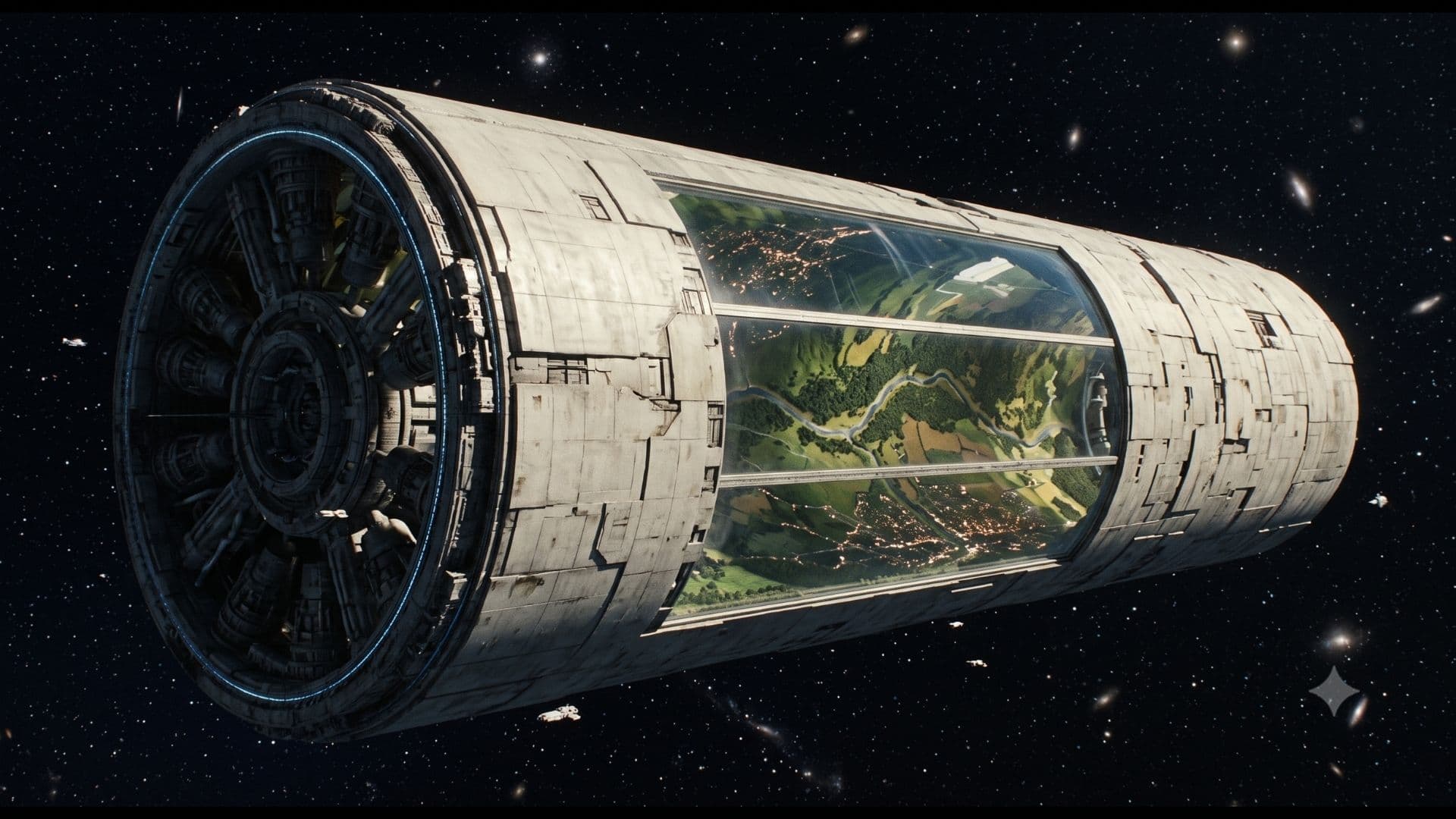
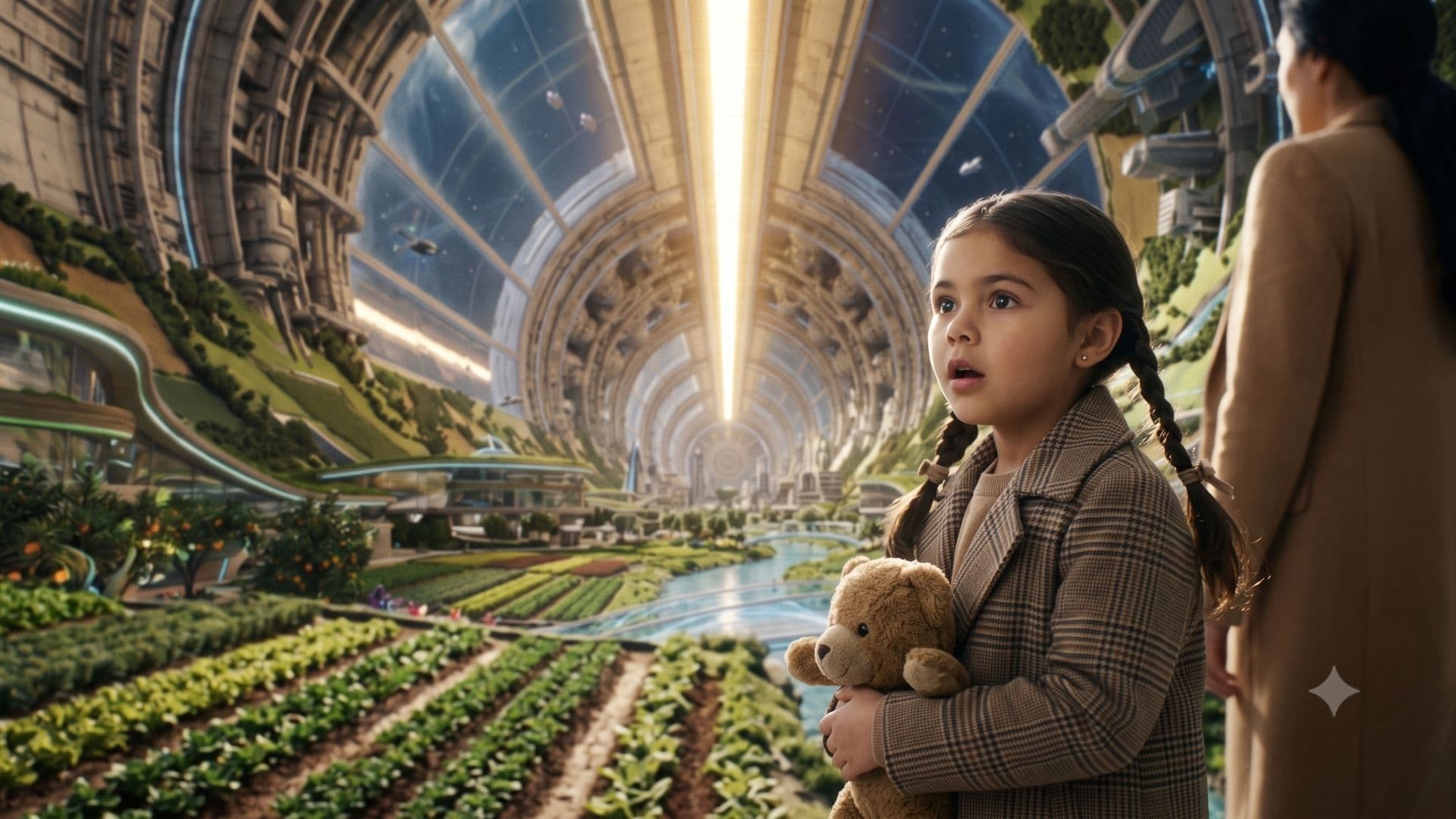
PARDES is one of the greatest achievements of this era. Built by Z Industries, the orbital city was designed to one day carry hundreds of thousands of people toward other star systems. It generates its own energy, sustains its population, grows its own food, and relies on systems capable of continuously maintaining and repairing its infrastructure. Before the crisis, PARDES was an open symbol of the future — a city anyone could visit. That is about to change.

Scene 09: The Sun Out of Time

SCENE 09

The Sun Out of Time

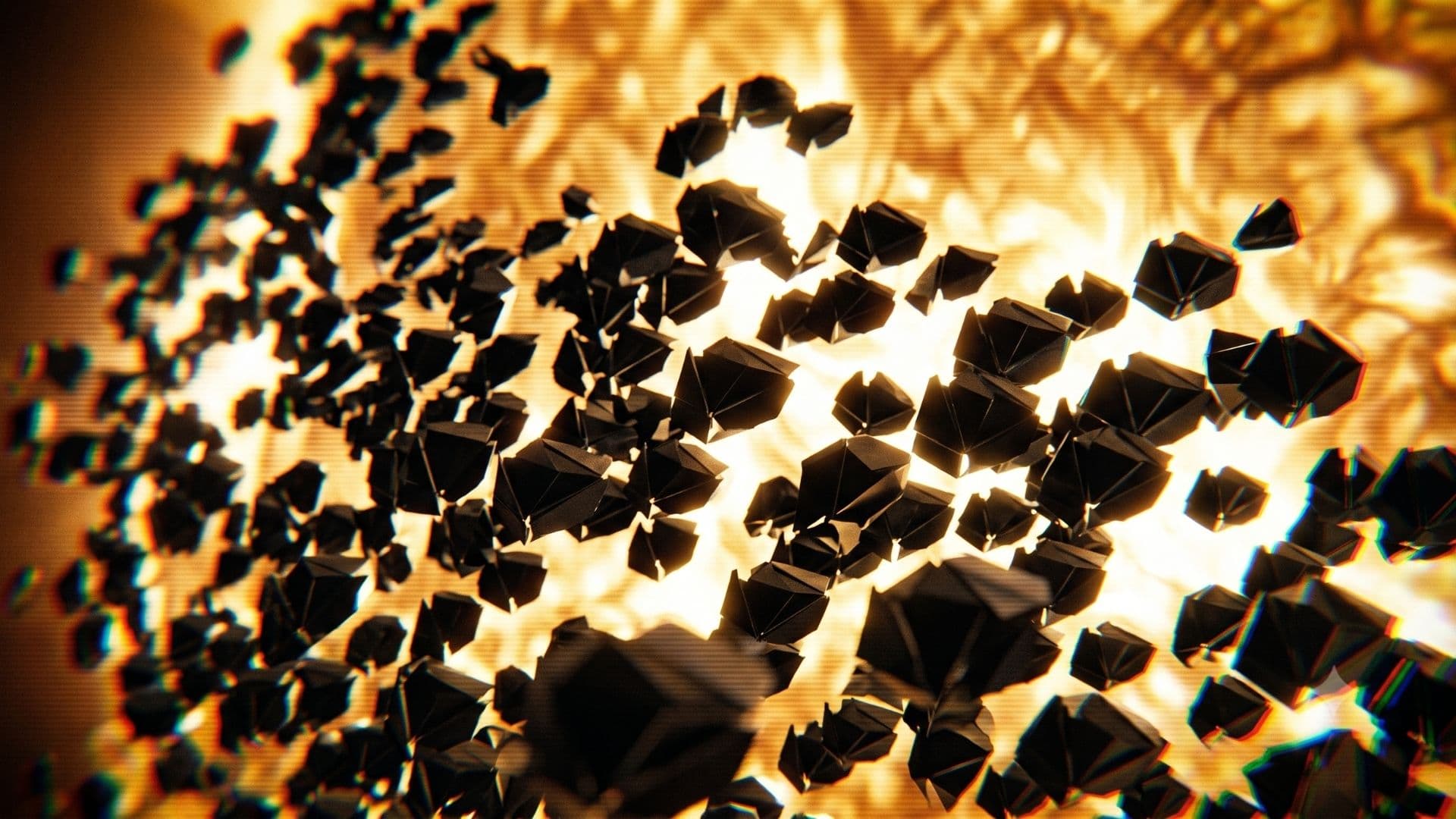
Then something appears that no projection had anticipated. Self-replicating alien machines begin interfering with solar matter, compressing into decades processes that should have taken hundreds of millions of years. Suddenly, the question is no longer how humanity will live in the future. It becomes something else: What if the fate awaiting Earth in the distant future — under an aging Sun — began now? In a golden age where disease had been defeated and extreme poverty had disappeared, it seemed as though no problem remained large enough to keep humanity awake at night. Until one did.

Scene 10: Ramon's Calculation

SCENE 10

Ramon's Calculation

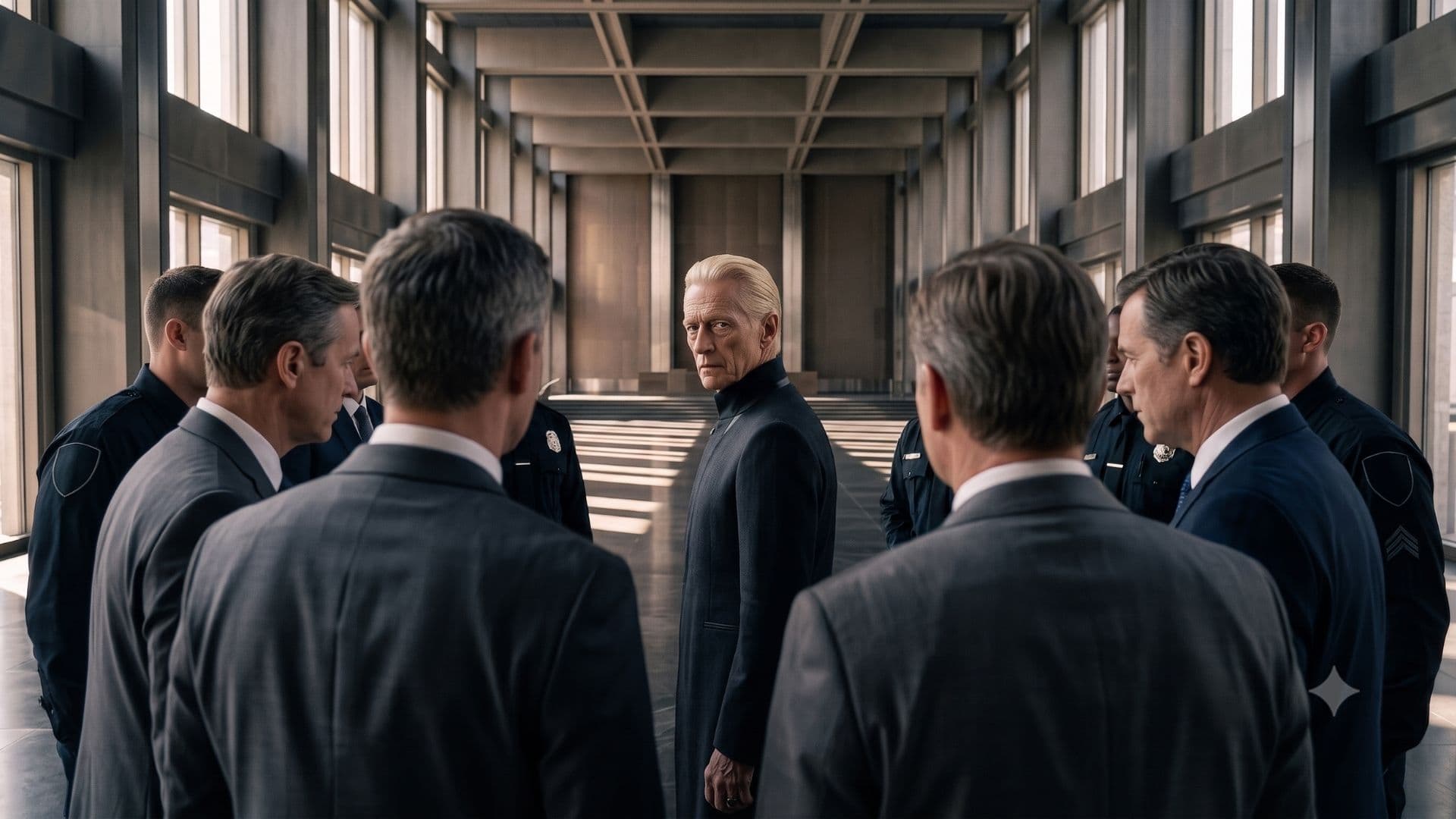
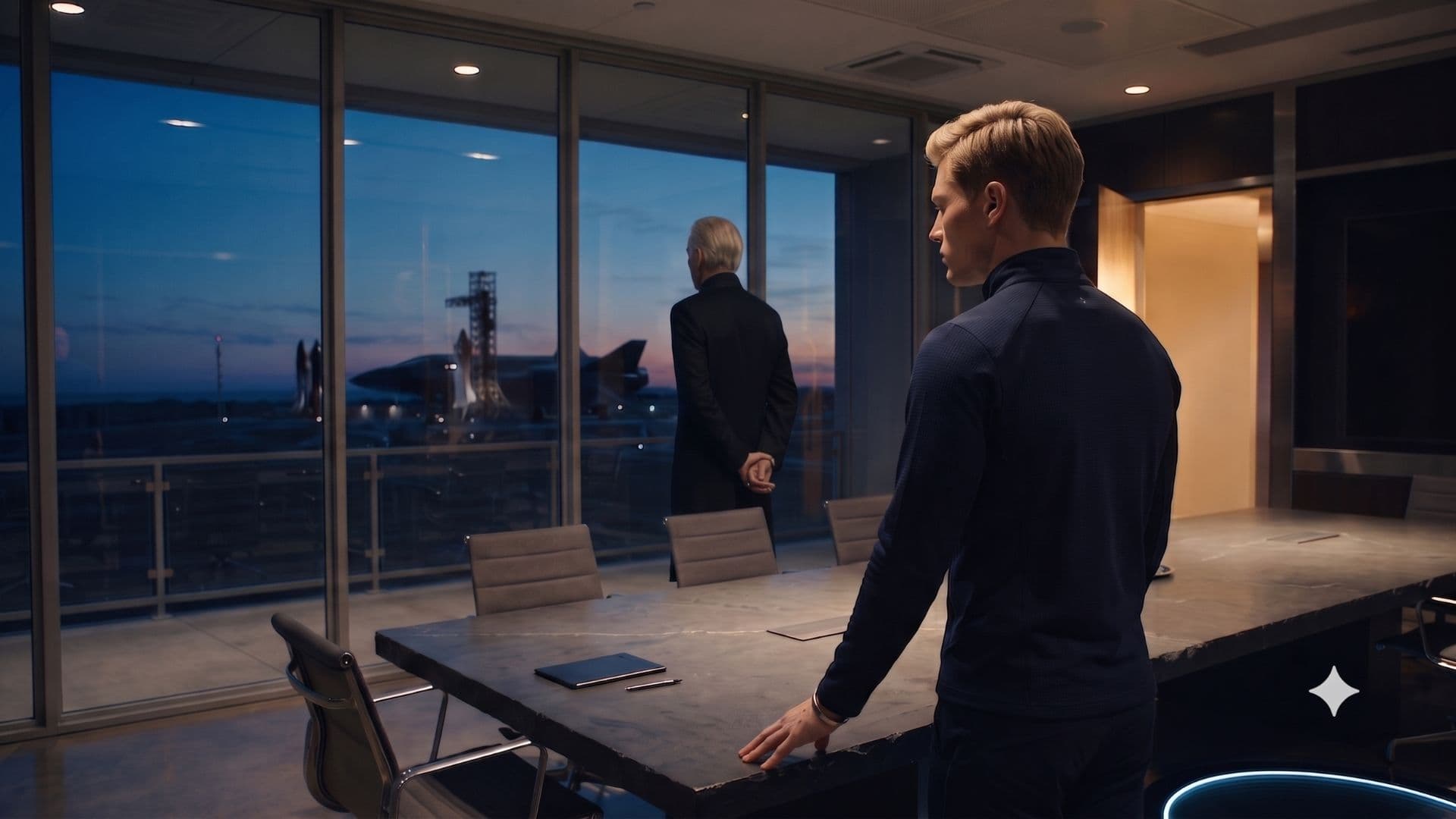
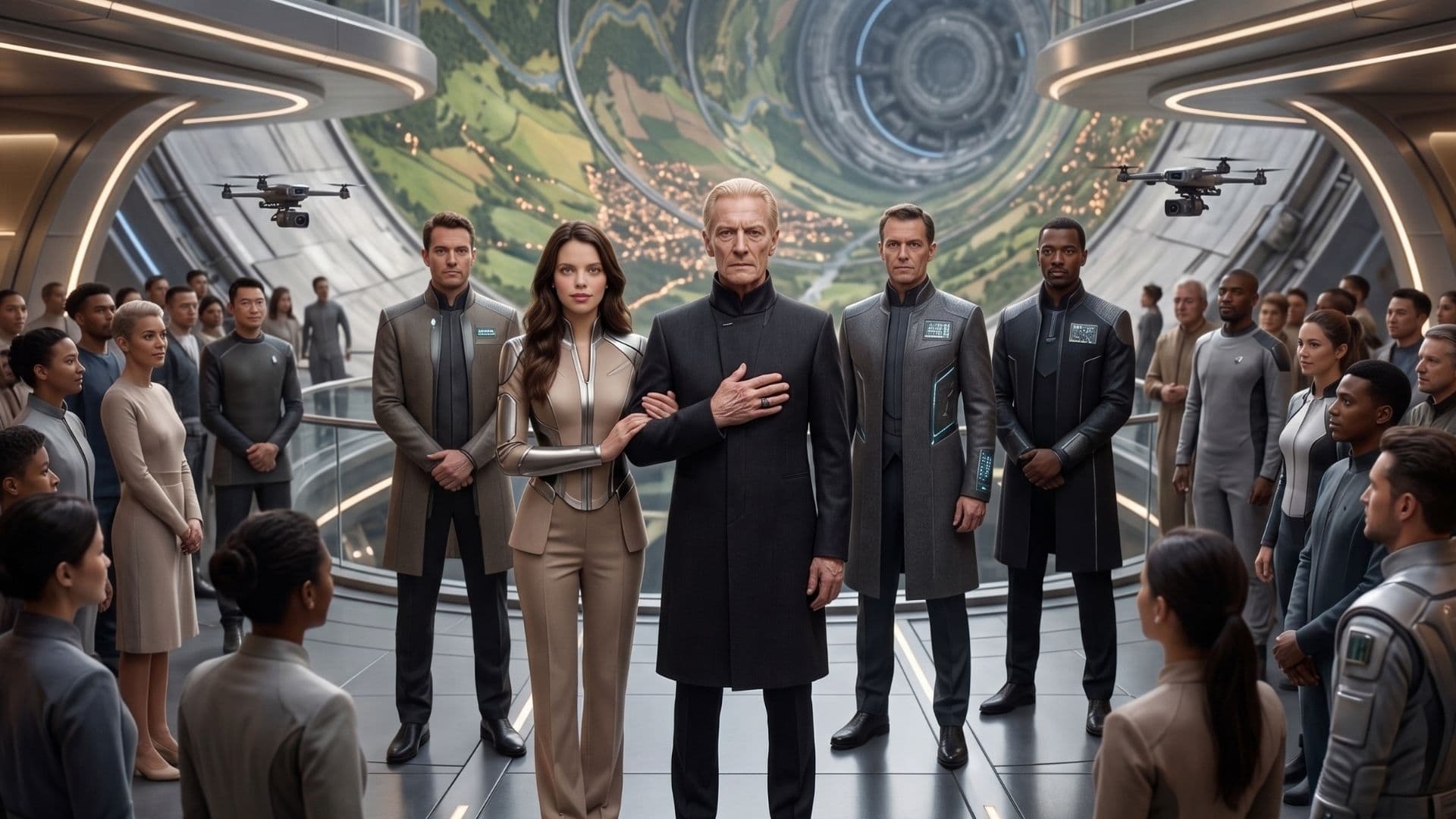
Ramon Desman is a 118-year-old genius. He founded Z Industries and helped build much of the world that now stands on the verge of disappearing. When his best scientists calculate that humanity has less than a 2% chance of survival if it remains on Earth, he refuses to gamble the entire species on those odds. PARDES stops being merely an orbital city. Ramon decides to ignite its engines and turn it into an ark bound for another star system.

Scene 11: The Chosen and the Rejected

SCENE 11

The Chosen and the Rejected

Stone's three older brothers built prestigious careers as engineers at Z Industries and were selected to board PARDES. Stone, who never earned the same admiration from his father after choosing a different path, remains on Earth beside him. What neither of them knows at that moment is that the invitation is not simply an opportunity. It separates those Ramon intends to save from those who will remain on Earth to die.

Scene 12: Something Wasn't Right

SCENE 12

Something Wasn't Right

Stone has spent his life building solutions for his small community, far from the institutions that gave legitimacy and status to his brothers. Perhaps that is why he learned to trust what he observes more than what he is told. The ocean is different. The storms are growing worse. And the more Ramon and the authorities speak, the more Stone senses that some essential part of the truth is being withheld.

Scene 13: The Risk That Changed Everything

SCENE 13

The Risk That Changed Everything

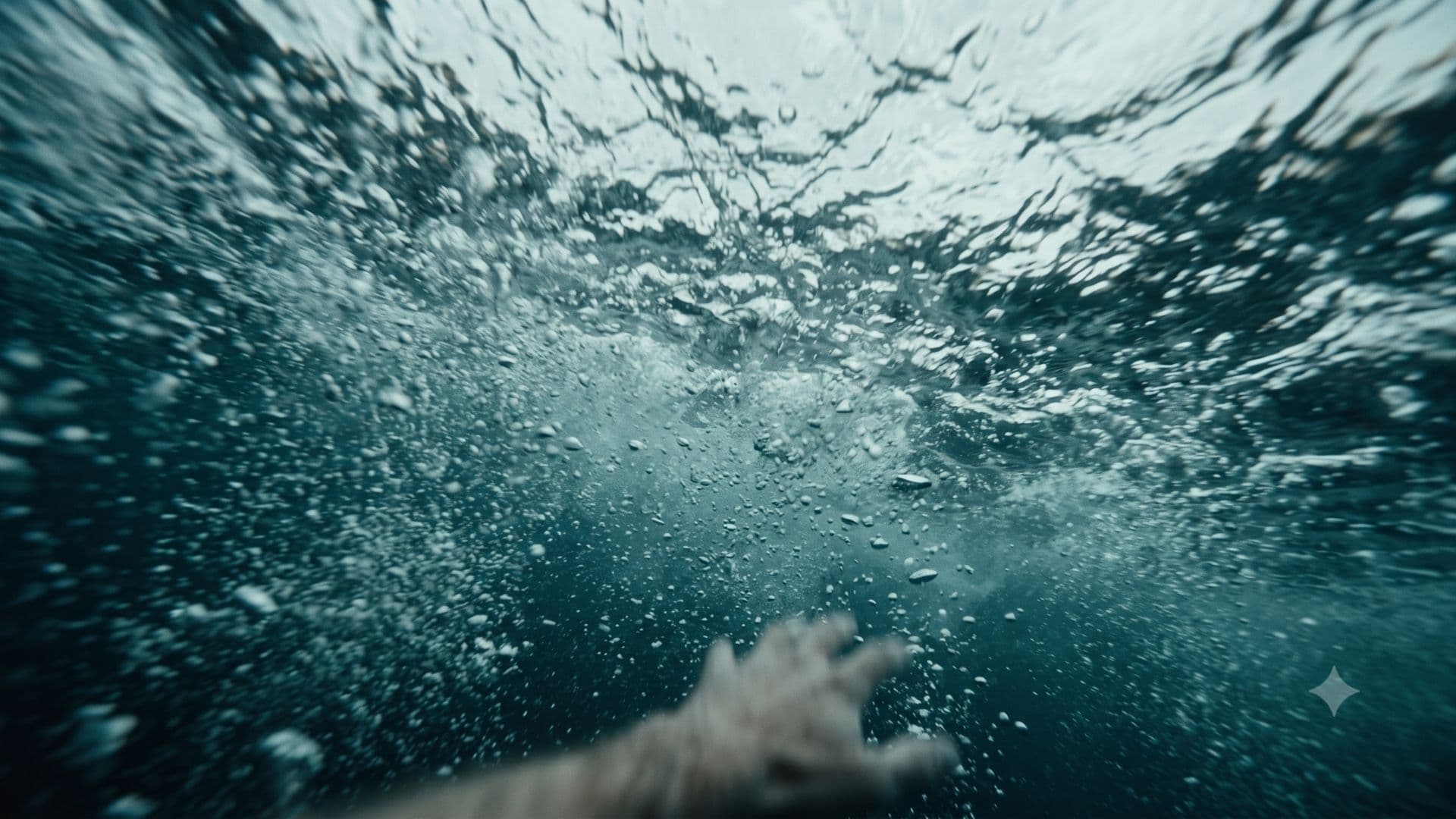
When a crucial component of one of his inventions — the one supplying energy to his community — is torn away during a storm, Stone refuses to abandon it. His courage and determination have always existed dangerously close to recklessness. He enters the sea, is thrown against a rock, and sinks unconscious. The very trait that could have destroyed him is the one that leads him to the place that will change everything.

Scene 14: The Secret Beneath the Ocean

SCENE 14

The Secret Beneath the Ocean

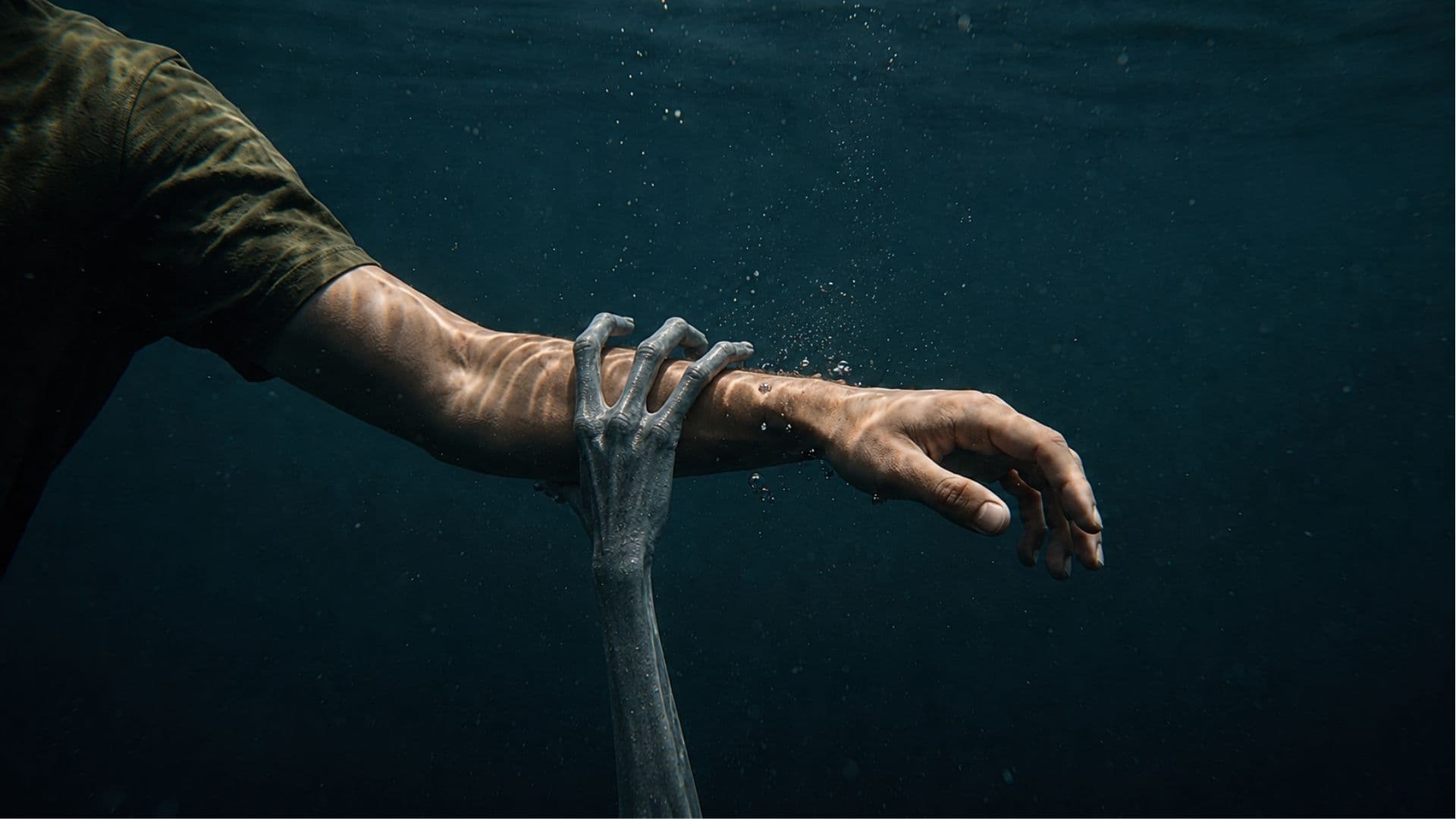
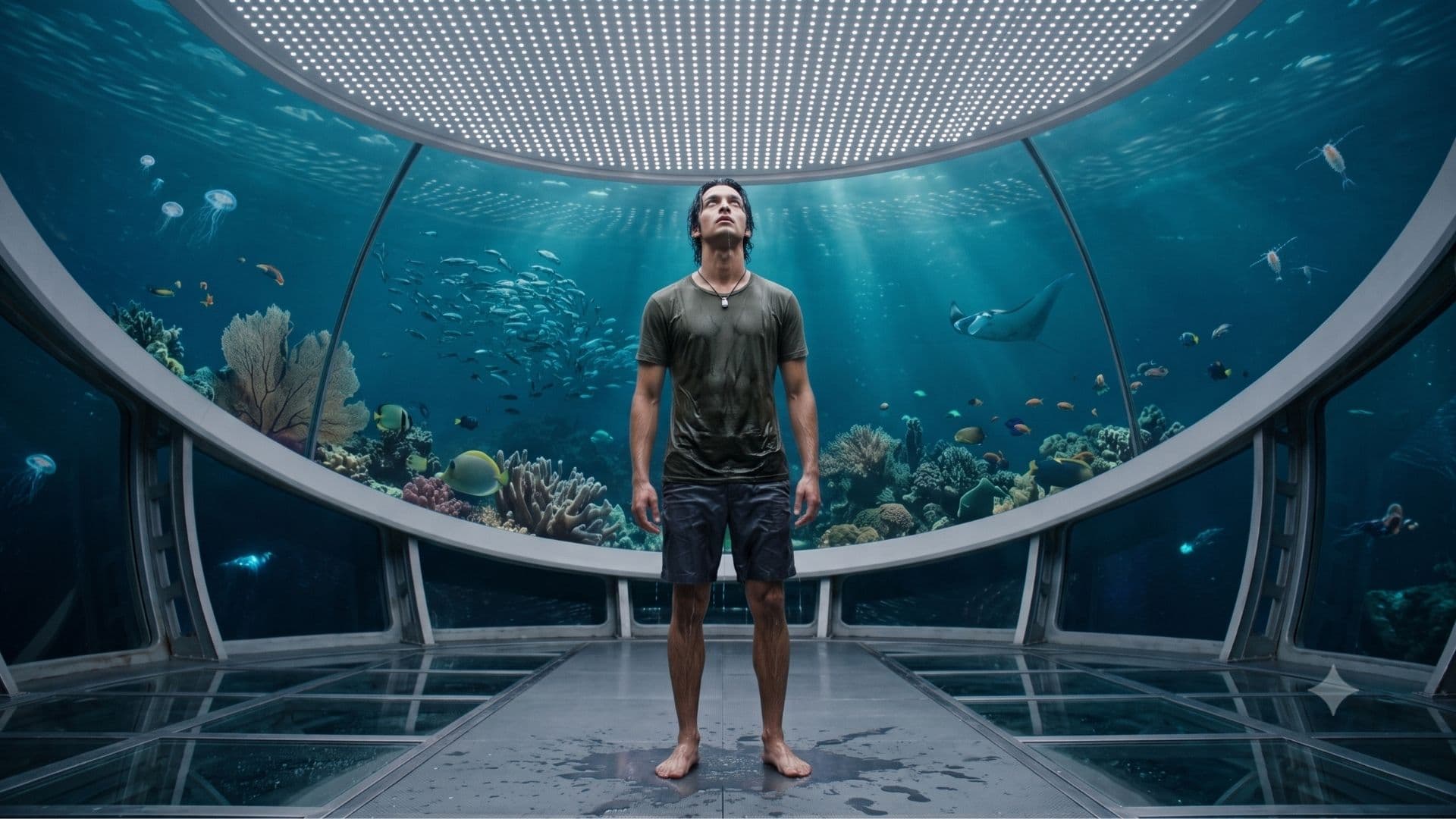
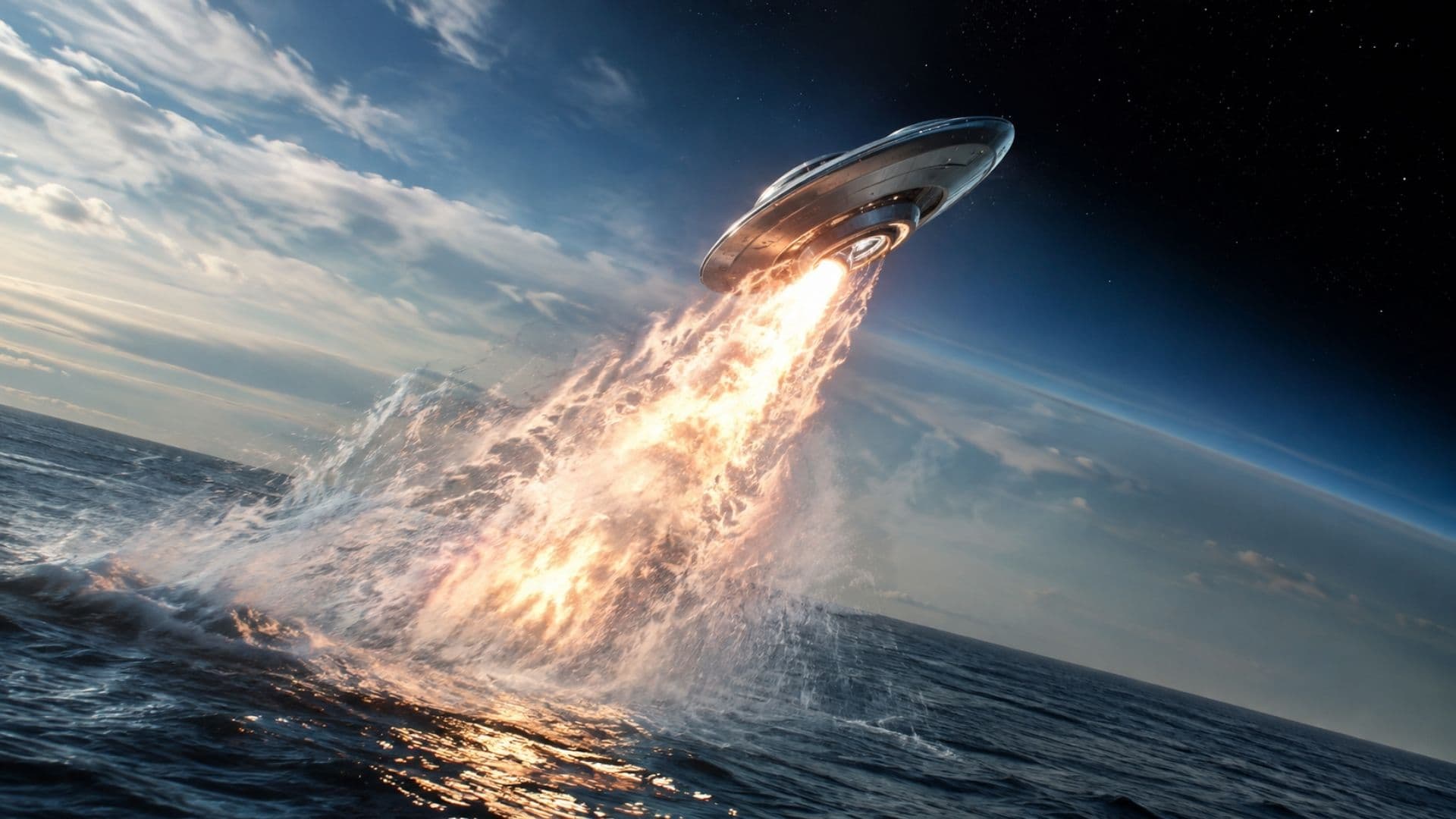
What seemed to be the end of Stone becomes the discovery that none of humanity's greatest powers had ever managed to make. Something had been hidden at the bottom of the ocean for thousands of years. While humanity explored other worlds and believed it was approaching the limits of technology, a far more advanced civilization had remained silent beneath its own seas.

Scene 15: Oyd's World

SCENE 15

Oyd's World

Oyd belongs to a small group of survivors from an alien species living inside ultra-advanced installations beneath Earth's oceans. There, Stone encounters technologies that even humanity in 2100 had never imagined: the manipulation of matter and energy at levels he does not even have the vocabulary to describe — and even the possibility of stopping aging altogether. But the discovery brings something even more important. Oyd's homeworld was destroyed by the same threat that has now reached the Sun. For the first time, saving Earth seems possible.

Scene 16: More Than Two Percent

SCENE 16

More Than Two Percent

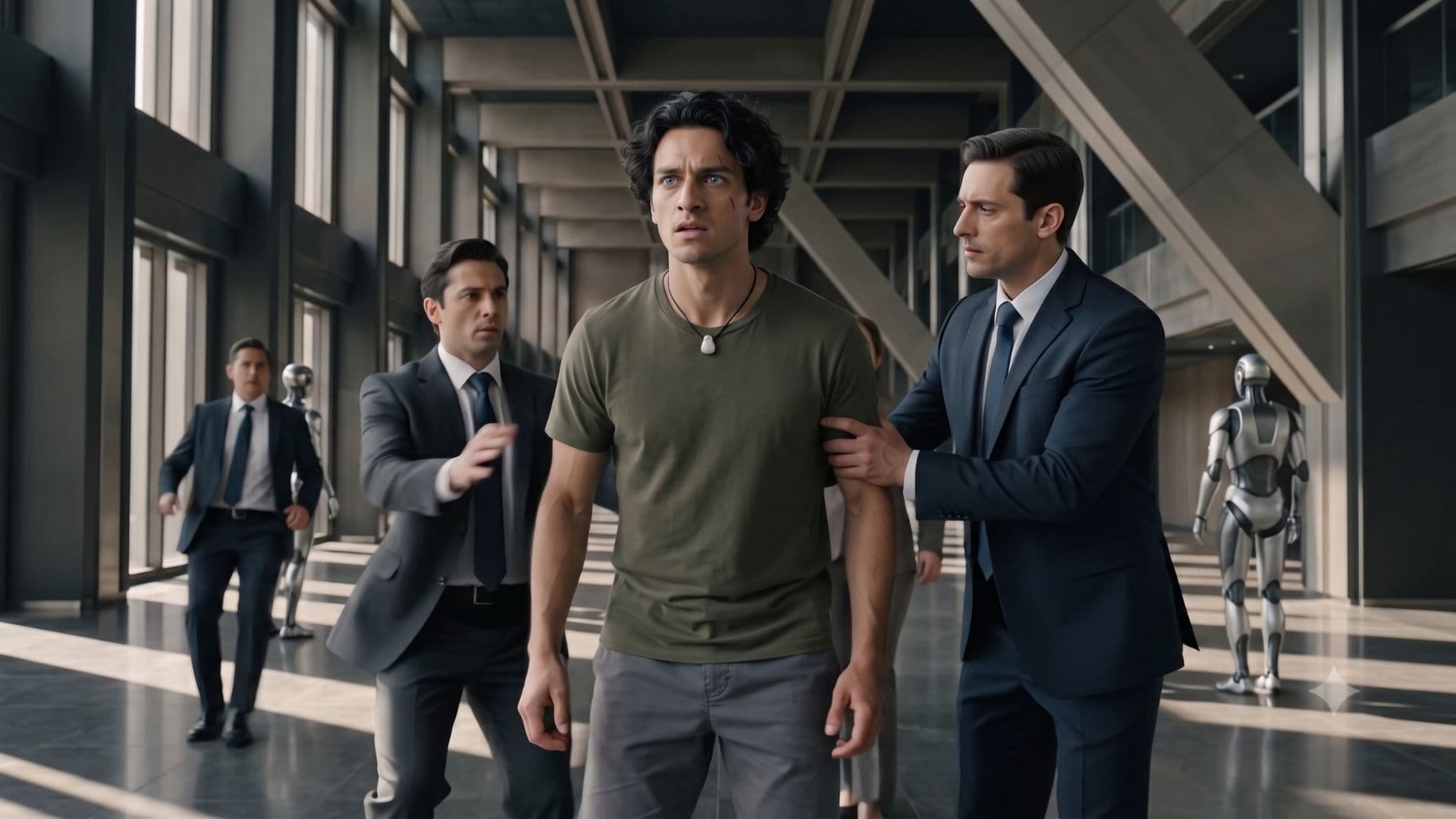
Stone returns carrying information capable of changing the entire equation. He pushes through Z Industries security to tell Ramon that those 2% odds no longer represent every possibility. There is another path — one Ramon's scientists know nothing about. Ramon sees something familiar in this unknown boy: the same courage and stubborn determination that once allowed him to build what others considered impossible. But recognizing Stone is not the same as being willing to place the survival of the human species in his hands.

Scene 17: The Limits of Courage

SCENE 17

The Limits of Courage

Ramon wants to believe Stone. But to him, there is an enormous distance between admiring a boy's courage and placing the future of the human race in his hands. The decision has been made. PARDES has already launched, and they must board before the window closes. Z, Ramon's son and successor, also senses that Stone knows more than he can prove. Even so, he follows his father's orders and makes sure everyone boards before PARDES leaves Earth's orbit for good.

Scene 18: Z's Choice

SCENE 18

Z's Choice

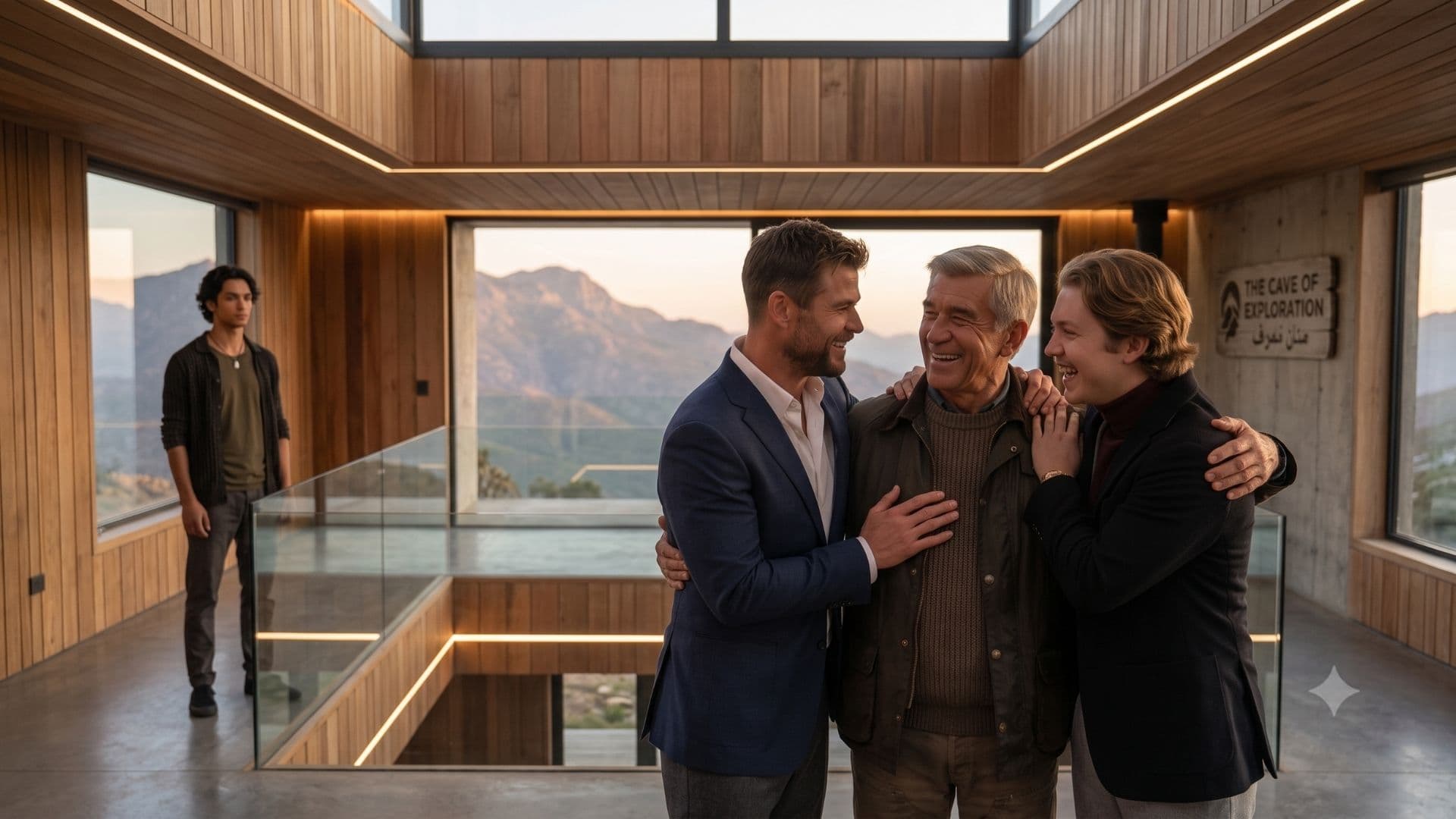
Before departure, driven by an intuition he cannot explain, Z travels to Stone's village. The encounter changes the way he sees the risk. Perhaps staying on Earth is not merely a desperate act of faith. Perhaps Stone really has found a possibility worth betting on. Z then makes the decision Ramon could not. When everyone believes he has boarded PARDES, they discover that he stayed behind — ready to give Stone access to everything that remains of Z Industries' technology on Earth.

Scene 19: What Nisha Saw in Stone

SCENE 19

What Nisha Saw in Stone

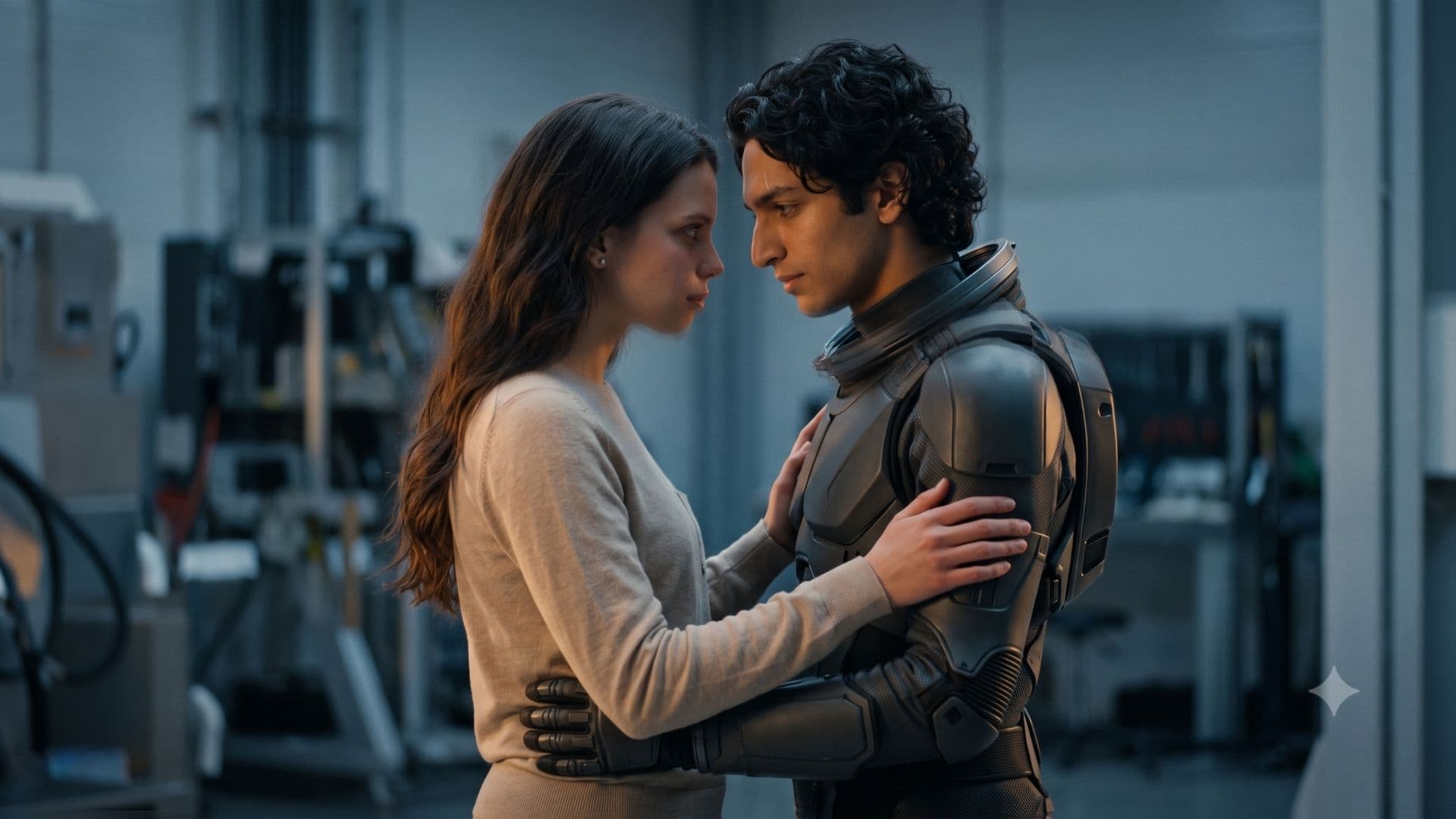
During the time he spends trying to convince Ramon, Stone meets Nisha. She recognizes in him something she has always admired in her own father: the willingness to act when everyone else has already decided an idea is impossible. The two grow close and begin a secret romance as Earth's time runs out. But when Ramon chooses to leave, Nisha must make a choice of her own. And despite what she feels for Stone, she boards PARDES beside her father.

Scene 20: Eleven Billion

SCENE 20

Eleven Billion

PARDES has left. For the first time, there is now a guarantee that the human species will survive even if Earth is lost. Hundreds of thousands carry with them knowledge, technology, and the chance to begin again in another star system. But the price of that guarantee is almost impossible to comprehend: Around eleven billion people remain on Earth without even knowing they were left behind to die.

Scene 21: One Chance

SCENE 21

One Chance

Ramon took PARDES and its most important resources with him. But Stone is not alone. Z opened the doors to the technology Z Industries left behind on Earth. Oyd opened the doors to knowledge far beyond humanity's own. And Stone does what he has always known how to do: he combines things that had never been combined before and arrives at a solution no one else had considered. There is no Plan B. If he fails, there will be no second attempt.

Scene 22: The Rejected Stone

SCENE 22

The Rejected Stone

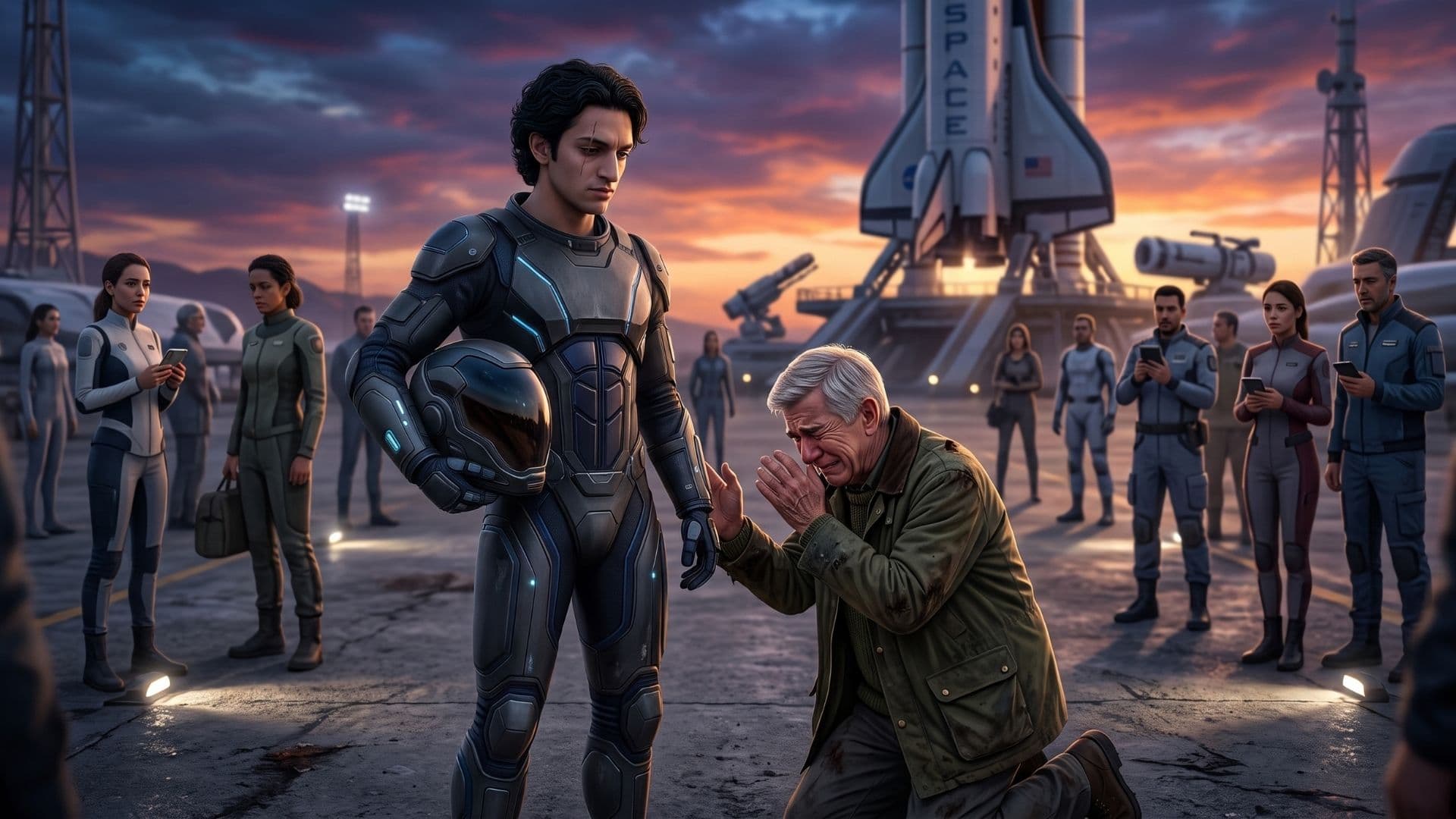
Stone wins. Earth remains habitable, and billions survive. Among the crowd stands his father — the man whose admiration Stone spent his entire life seeking, now kneeling before the son he never truly saw. But victory changes Stone as well. When he finally receives the approval he always wanted, he realizes he no longer needs it to know who he is. And he chooses to forgive his father.

Scene 23: The Future That Left

SCENE 23

The Future That Left

Saving Earth creates something unprecedented: For the first time, humanity begins writing two different histories at once. PARDES continues its journey carrying some of the greatest minds of the species. Far from Earth, its people will have to build a new civilization, adapt to another environment, and develop technologies without depending on the planet where humanity was born. What kind of society emerges when hundreds of thousands of people begin again from scratch — among the stars?

Scene 24: The Future That Stayed

SCENE 24

The Future That Stayed

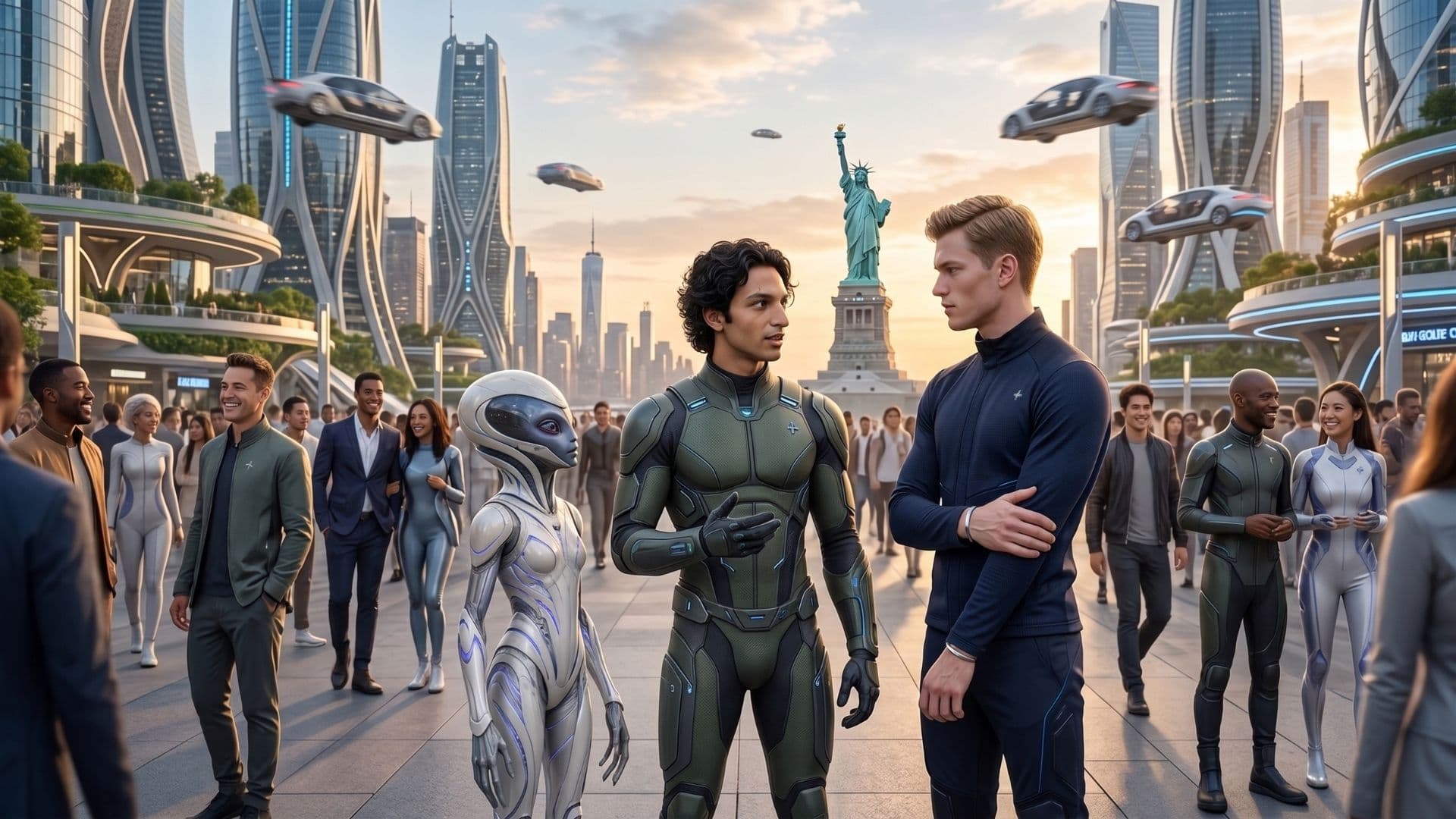
Back on Earth, a completely different revolution begins. Humans now live openly alongside an extraterrestrial civilization, combining two bodies of technological knowledge that evolved separately for thousands of years. Perhaps the next leap will not be about building better machines, but learning to manipulate matter itself. Perhaps aging will stop being the natural course of life. Perhaps entire cities will be created in ways that seem impossible to us today. PARDES left to build a new world. Stone stayed to transform ours. And one question remains impossible to shake: Which of these two human civilizations will go farther?